Camphor Laurel Wooden Boards

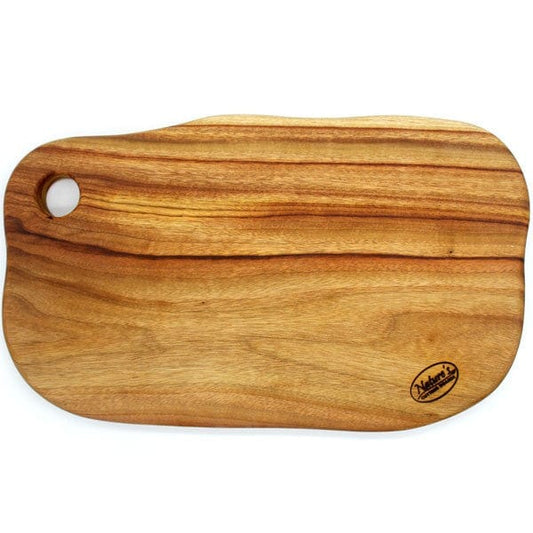
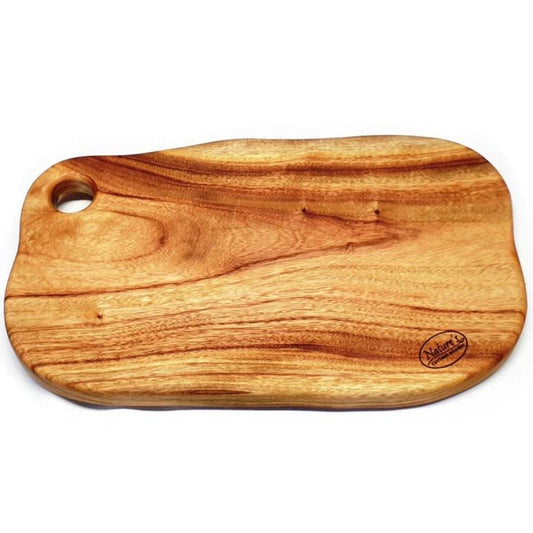
Camphor laurel cutting boards are made from the timber of an invasive weed tree that's crowding out native forest along Australia's east coast. Every board in this collection gives that timber a long life in your kitchen instead of letting it go to waste. The boards are dense, warm-toned and naturally aromatic, and they work for chopping, serving cheese, slicing pizza or bringing a platter to the table.

Why camphor laurel is a sustainable timber choice

Camphor laurel (Cinnamomum camphora) was brought to Australia from East Asia in the 1800s as a shade and ornamental tree. It has since spread widely through northern New South Wales and south-east Queensland, where it's recognised as a serious environmental weed. Control programs recommend removing it and replanting with native trees.

Using the timber from that removal work means no native forest is logged to make your board. It's the same reason Biome doesn't stock teak kitchenware: we'd rather use timber that helps the landscape than timber that costs it. Read more about how camphor laurel boards support rainforest restoration.

Why choose a wooden board over plastic?

  • Less plastic in your food prep. Plastic boards get scored by knives over time, and those cuts can shed small plastic fragments. Wood leaves that out of the picture.
  • Kinder to your knives. A good timber surface has a little give, so blades tend to stay sharper for longer than on glass or hard plastic.
  • Hygienic with simple care. A well-maintained wooden board compares well with plastic for kitchen hygiene. Wash it in warm soapy water, dry it upright and oil it regularly.
  • Made to last for years. With a little oil now and then, a solid timber board can be sanded back and refreshed instead of thrown away.

Thinking about making the switch? Our guide covers everything you need to know about switching from plastic to wooden cutting boards.

Which camphor laurel board is right for you?

  • Everyday chopping: the Rectangle Medium or Freeform Medium suit most benchtops.
  • Big family meals and roasts: the Rectangle Large (about 50 x 30 cm) is our largest board, and the Freeform Large doubles as a table centrepiece.
  • Picnics and grazing: the Freeform Small fits in a picnic basket or hamper.
  • Serving and gifting: the Australia-shaped cheese board is a popular gift for overseas friends, and the Pizza Board takes pizza straight from the oven to the table.
  • Ready to go: the Wooden Cutting Board & Care Bundle pairs a Freeform Large board with board oil, so it's ready to gift.

How to care for a camphor laurel board

Hand wash in warm soapy water. Don't soak it or put it in the dishwasher. Dry it standing on its edge so air can reach both sides.

Rub in a food-safe oil from the Gilly's wood care range whenever the timber looks dry or pale.

 If your board has already dried out, follow our guide to bringing a dry wooden chopping board back to life.

read more

9 products

Frequently asked questions

Is camphor laurel safe for cutting boards?

Yes. Camphor laurel has been used for Australian chopping and serving boards for decades. It's a close-grained hardwood, and its gentle natural scent fades with use and oiling.

Why is camphor laurel considered environmentally friendly?

Camphor laurel is an invasive weed in eastern Australia that displaces native vegetation. Using its timber gives value to removal work and means no native trees are cut down to make the board.

Does a camphor laurel board smell?

New boards have a light, fresh aroma from the timber's natural oils. Most people find it pleasant, and it softens over time.

How often should I oil my wooden board?

Oil it about once a month with regular use, or any time it looks dry. Regular oiling keeps the timber conditioned and helps stop cracking.

Can I put a camphor laurel board in the dishwasher?

No. High heat and long soaking can warp or split solid timber. Hand washing and air drying will keep your board in good shape for years.

Looking for other timbers and styles? Browse our full range of wooden cutting boards.